
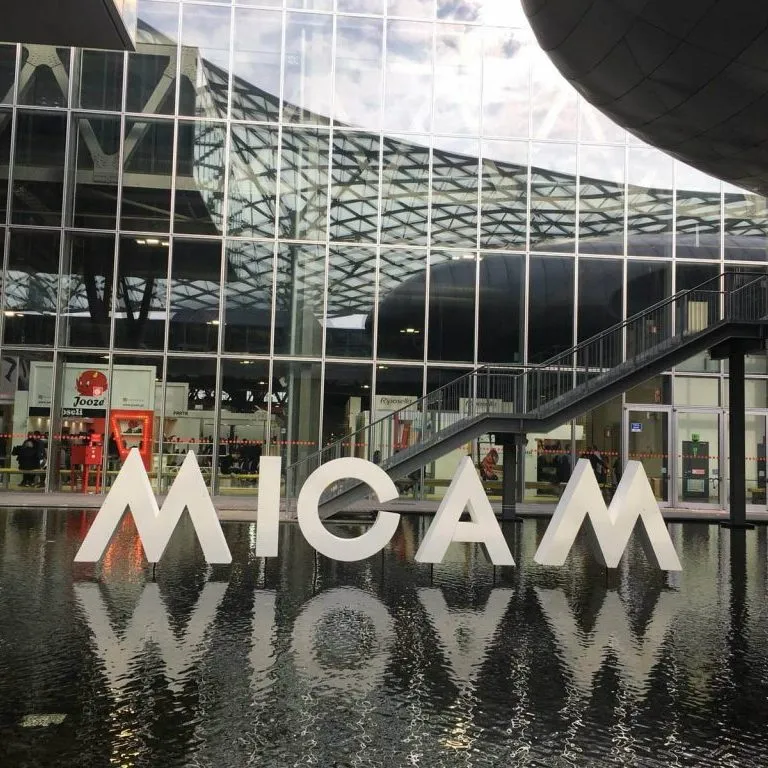
MICAM Milano is a major international footwear exhibition held twice a year at Fieramilano Rho. The official MICAM site presents collections from more than 1,000 footwear brands for men, women and children. For wholesale buyers and boutique importers, the event offers a concentrated way to compare suppliers, materials and production capabilities.
Plan your visit before you arrive
MICAM uses several halls, and layouts can change between editions. Check the official exhibitor catalog and hall plan before travelling, filter by product type and country, and book priority supplier meetings early. Keep time available for follow-ups and newly discovered manufacturers.
Register as a trade buyer through the official MICAM channels. Buyers researching Turkish footwear suppliers can also consult İDMİB — the Istanbul Leather and Leather Products Exporters' Association, whose member sectors include footwear and leather goods.
Buyer takeaway: Arrive with a written product, material, quantity and target-market brief rather than an open-ended wish list.
What separates a manufacturer from a trading intermediary
Some exhibitors manufacture directly, while others coordinate production through partner factories. The distinction affects pricing, customisation, quality control and accountability. Ask each supplier to document its role clearly:
- Ask where production happens. A direct manufacturer should be able to identify the production location, explain which stages happen there and discuss whether buyer visits are possible.
- Ask about lasts and patterns. Confirm who owns and modifies the lasts, patterns and technical files required for changes to heel height, toe shape or strap width.
- Ask for a QC document. Request the written inspection criteria used for materials, construction, finishing, sizing and packing.
- Ask for shipment references. Request examples relevant to your destination market and confirm the available Incoterms in writing.
Evaluating leather quality on the floor
Genuine leather varies significantly in grade, finishing, and durability. Full-grain leather retains the original hide surface — it is the most durable and develops a patina over time. Corrected-grain leather has been sanded and embossed; it is more uniform but less breathable. Split leather (suede on the reverse side) is used in linings and lower-cost uppers.
At the fair, ask to see the lining as well as the upper. A manufacturer committed to genuine leather throughout — not just the visible upper — will use leather linings rather than synthetic substitutes. This is a meaningful signal of quality consistency and end-customer satisfaction.
Questions to ask before signing a wholesale agreement
Once you have identified two or three credible suppliers, the negotiation phase begins. These are the questions that surface hidden risks:
- What is the realistic minimum order quantity per style? Ask for the MOQ by style, colour and size run, and confirm whether mixed-size or mixed-colour orders are accepted.
- What is the sample lead time? Request separate written timelines for standard samples, custom developments and approval revisions rather than assuming a fixed industry average.
- How are defects handled post-delivery? Agree the inspection, notification, replacement and credit process in writing before placing the order.
- Can you visit the factory? Discuss whether a factory visit or live production review is possible before the first order.
Why buyers consider Turkish footwear manufacturers
Turkey has an established footwear and leather-products supply base. Buyers can evaluate access to tanneries, component suppliers, technical expertise and export experience, but production capacity and lead time should be verified supplier by supplier for each order.
Compare suppliers on documented material specifications, sample consistency, quality-control procedures, commercial terms and delivery history—not on country-level assumptions alone. The supplier evaluation checklist sets out each of these checks in order.
Official planning resources
- MICAM Milano official website — current dates, exhibitor catalog, hall plan and buyer registration.
- İDMİB — Istanbul Leather and Leather Products Exporters' Association.